
❋
Experiential Learning and PBL Lesson Design Consultation
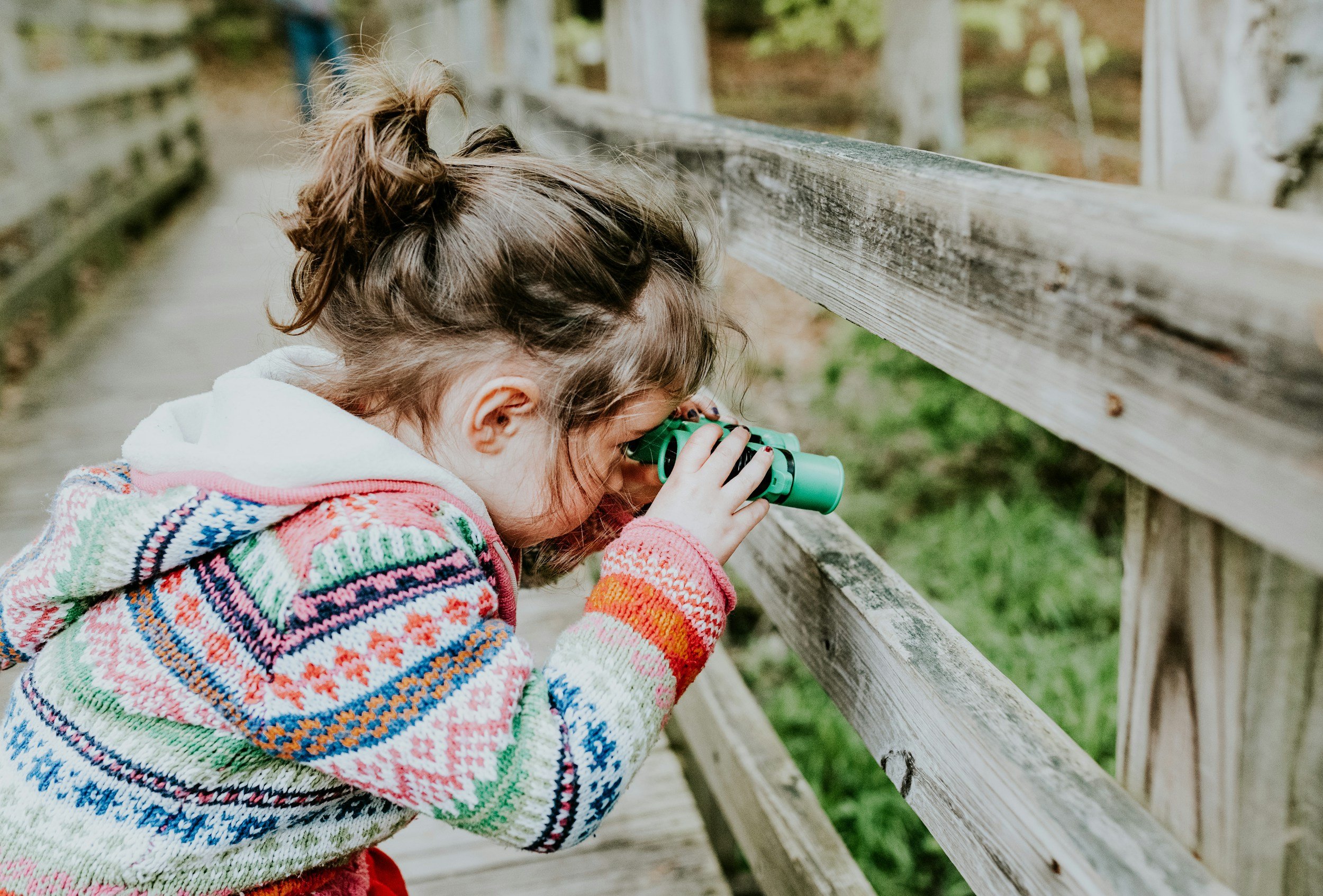
Experiential learning transforms schools into communities of learners, where children and adults alike are encouraged to ask meaningful questions, test new ideas, learn from mistakes, and reflect on their experiences. It strengthens academic understanding while developing essential dispositions such as collaboration, communication, creativity, adaptability, and problem solving. Most importantly, it creates a culture where learning is not something that happens to people—it is something they actively shape together.
❋ What is experiential learning?Experiential learning is the process of learning through purposeful experience, inquiry, reflection, and meaningful application. Rather than viewing students as passive recipients of information, experiential learning positions learners as active participants who investigate authentic questions, solve real problems, collaborate with others, and connect their learning to the world around them. Project-Based Learning (PBL), community partnerships, outdoor education, design challenges, service learning, and inquiry-based investigations are all examples of experiential learning because they invite learners to construct understanding through doing, reflecting, and revising.
❋ Experiential Learning for ALL At Rooted Learning, we believe experiential learning is equally important for adults as it is for children. Just as students learn best through authentic experiences, educators and school leaders develop most effectively when professional learning is embedded within the real work of their classrooms and schools. Coaching conversations, collaborative inquiry, classroom observations, action research, reflective practice, leadership retreats, and designing learning experiences together all become opportunities for adults to experience the same curiosity, creativity, and continuous growth we hope to cultivate in students.
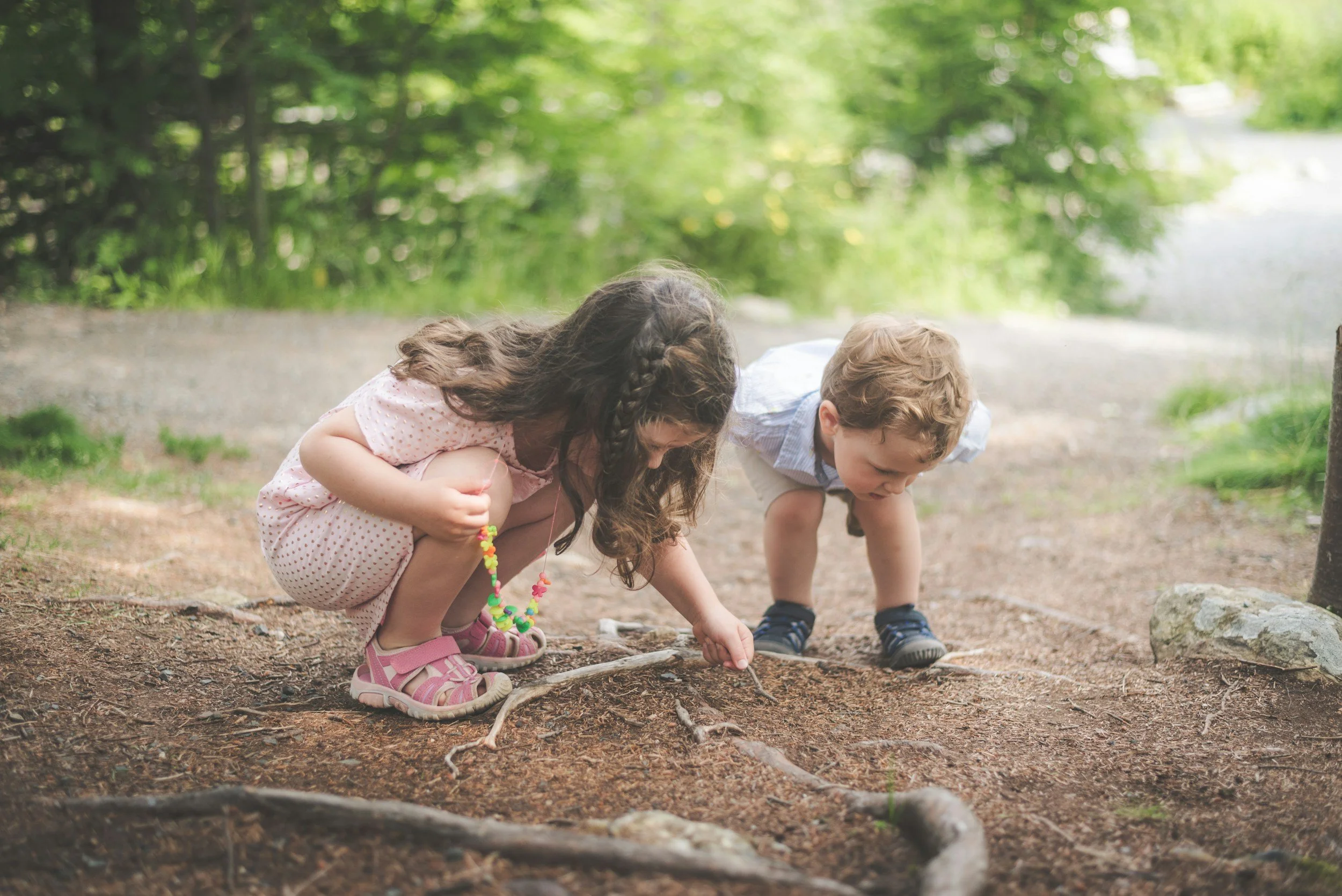
❋ Learning by DoingChildren and adults alike learn best by doing. Experiential learning transforms classrooms into environments where students investigate meaningful questions, solve authentic problems, and connect their learning to the world around them. Rather than viewing projects as isolated activities, we help schools build a culture where inquiry, community, and real-world application become central to everyday learning.
❋ Benefits of Experiential LearningEducators experience instructional clarity, increased student engagement, more authentic assessment practices, stronger collaboration, deeper connections with the local community, and renewed professional purpose.
Students experience greater engagement, increased motivation, stronger critical thinking and problem solving, higher creativity and confidence, and true ownership of their learning.
-
Working alongside educators, we design experiences that integrate academic standards with authentic questions, student voice, and purposeful assessment.
-
Project Based Learning (PBL) is one powerful approach within the broader vision of experiential learning, helping students develop knowledge, skills, and attributes through hands-on, meaningful and authentic exploration of a question or problem.
-
We partner with teachers to design PBL lessons, inquiry unit development, interdisciplinary projects and assessments, authentic student exhibitions of learning, and reflection protocols to sustain improved practices over time.
-
We provide PBL coaching and training, facilitation strategy training, lesson modeling, debrief discussions, assessment creation, and student voice/choice protocol development. Side-by-side partnerships ensure the practice becomes embedded in learning.
-
Some of the best experiential learning and PBL lessons involve the local community. We help educators cultivate local partnerships to both support student experiences as well as to provide authentic audiences for student exhibitions of their results and work.